Shree Enerix Team
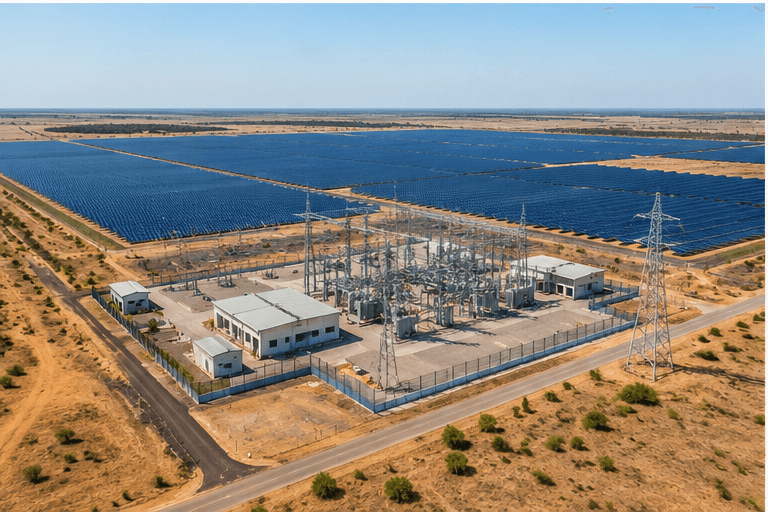
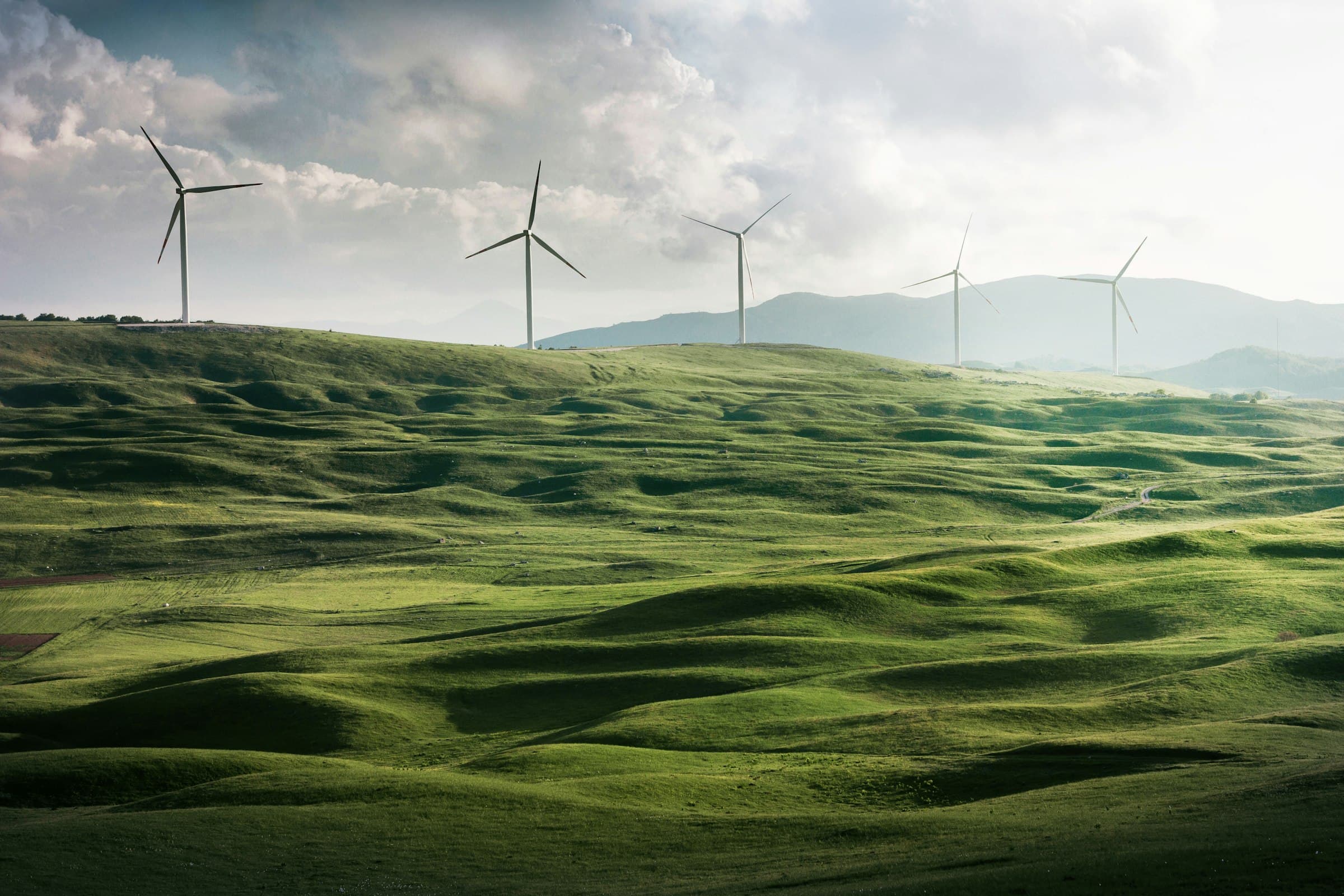
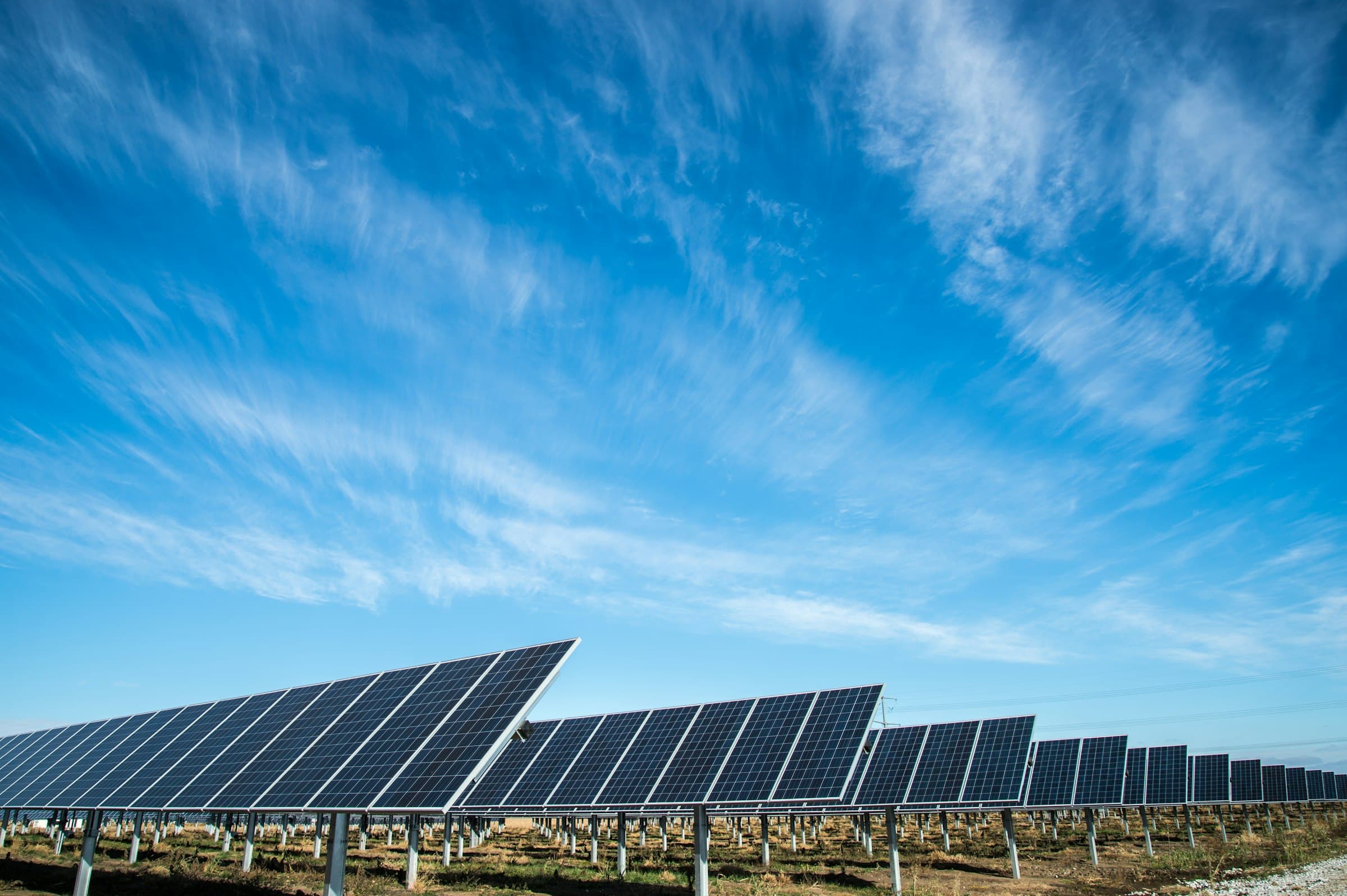
Hybrid projects combine wind and solar behind a shared grid connection — and increasingly, battery storage. Our experience on the 100 MW Vavarda hybrid (68 MW wind + 32 MW solar) and the 136 MW Mandalgarh project (68 MW solar + 40 MW wind + 27 MW BESS) shows how the model is changing development.
One connection, more energy
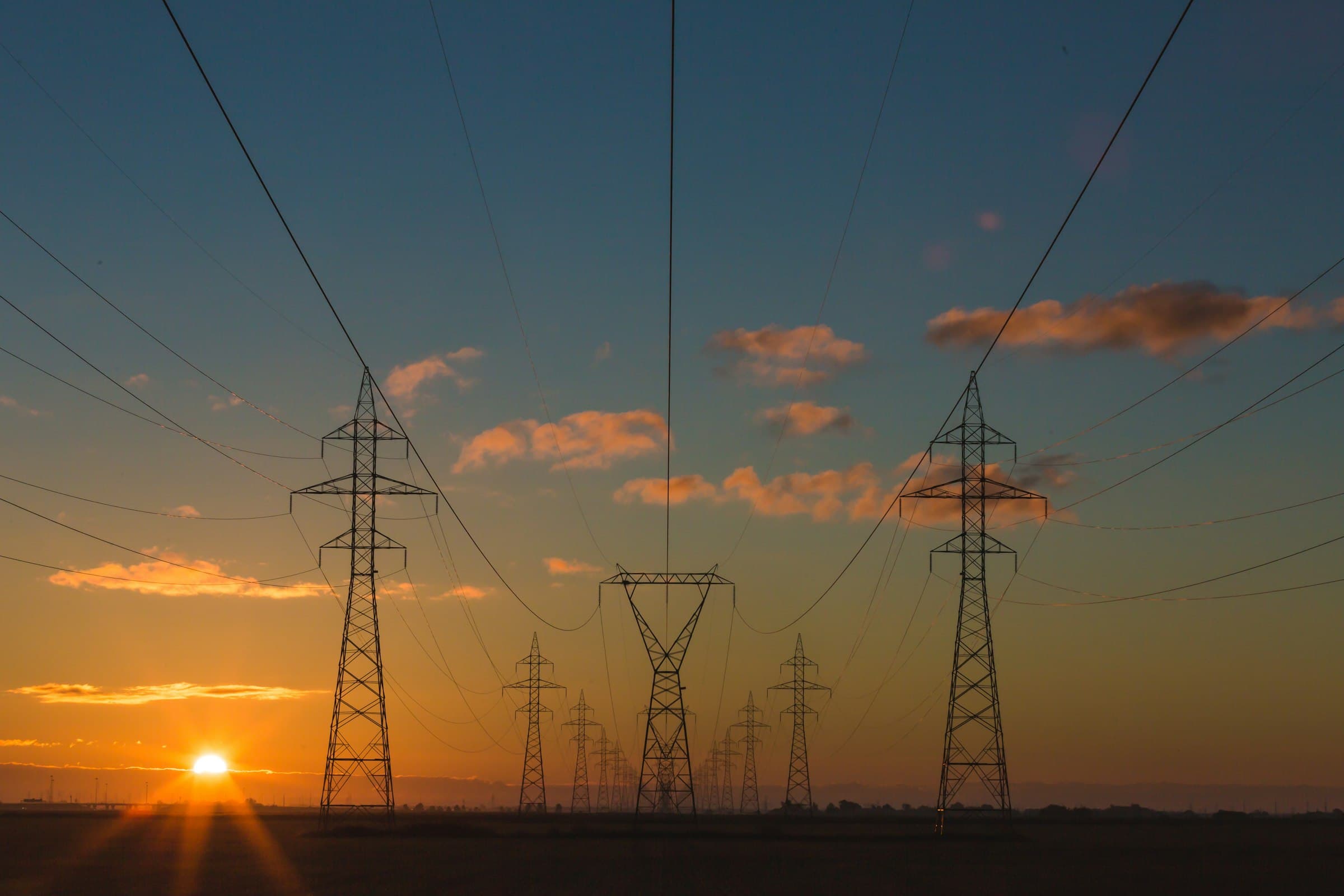
Wind and solar generate at different times of day. Sharing a 220 kV interface improves utilisation of the evacuation infrastructure — which makes connectivity planning even more important.
Land and layout get more complex
Hybrid sites need land for turbines, module arrays and storage, with internal 33 kV networks tying them together. Early land and layout coordination keeps the project buildable.